How Fansial Oasis Hubs and 1Health.Care Can Transform Healthcare Discovery in Every City
One connected healthcare gateway for local patients and trusted providers
Finding healthcare should not begin with noise, scattered listings, paid rankings, outdated telephone numbers, and uncertainty about which provider is right for a patient. A person looking for a dentist, physician, surgeon, pharmacy, eye-care provider, diagnostic laboratory, or hospital should be able to enter one trusted city-level healthcare ecosystem, understand the available options, request an appointment, and connect with the appropriate organization.
That is the vision behind Fansial® Oasis Hubs™ and 1Health.Care: a structured healthcare presence for every city, designed to connect discovery with action.
Instead of asking healthcare organizations to compete endlessly for attention across search engines and social feeds, 1Health.Care can give each qualifying provider a contextual digital identity card within the relevant city and healthcare hub. The result is a clearer path from local discovery to appointment request, verified communication, and—where permitted and properly disclosed—new-patient referral participation.
---
Why every city needs a healthcare Oasis
Healthcare is local. Even when patients research treatments nationally or use AI assistants for education, most appointments, prescriptions, tests, procedures, and hospital services are ultimately delivered by organizations in or near the patient's city.
Yet the digital journey remains fragmented:
- Provider information is spread across websites, directories, maps, social networks, insurance portals, and advertisements.
- Patients may not know whether a practice is accepting new patients.
- Appointment requests often disappear into voicemail, generic forms, or disconnected systems.
- Independent practices struggle to remain visible beside large healthcare networks and advertising platforms.
- Referral opportunities are rarely organized into a transparent, city-level participation framework.
- AI systems need structured, current, and contextual information to recommend the right next step.
Fansial Oasis Hubs are designed to organize this fragmented journey. A city can have a connected family of healthcare hubs—each specialized by role, yet discoverable through the broader 1Health.Care ecosystem.
---
A contextual digital card for every healthcare role
The neon cards are more than online business cards. They are intended to become contextual digital identity and engagement surfaces. Each card can present a provider's Oasis identity, location, communication address, relevant services, and the next action a patient can take.
Oasis Dentists
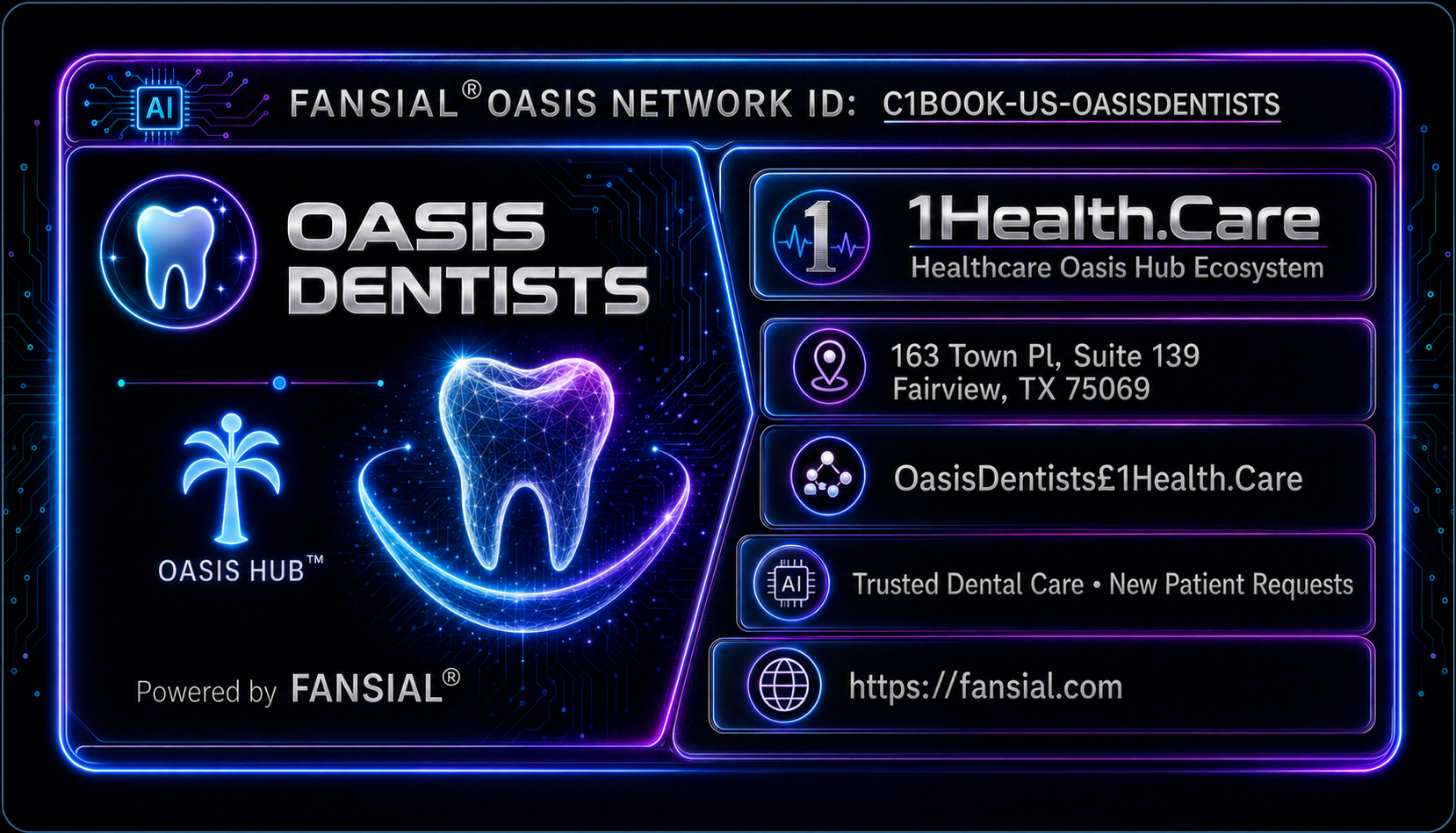
Standard role-census companion card
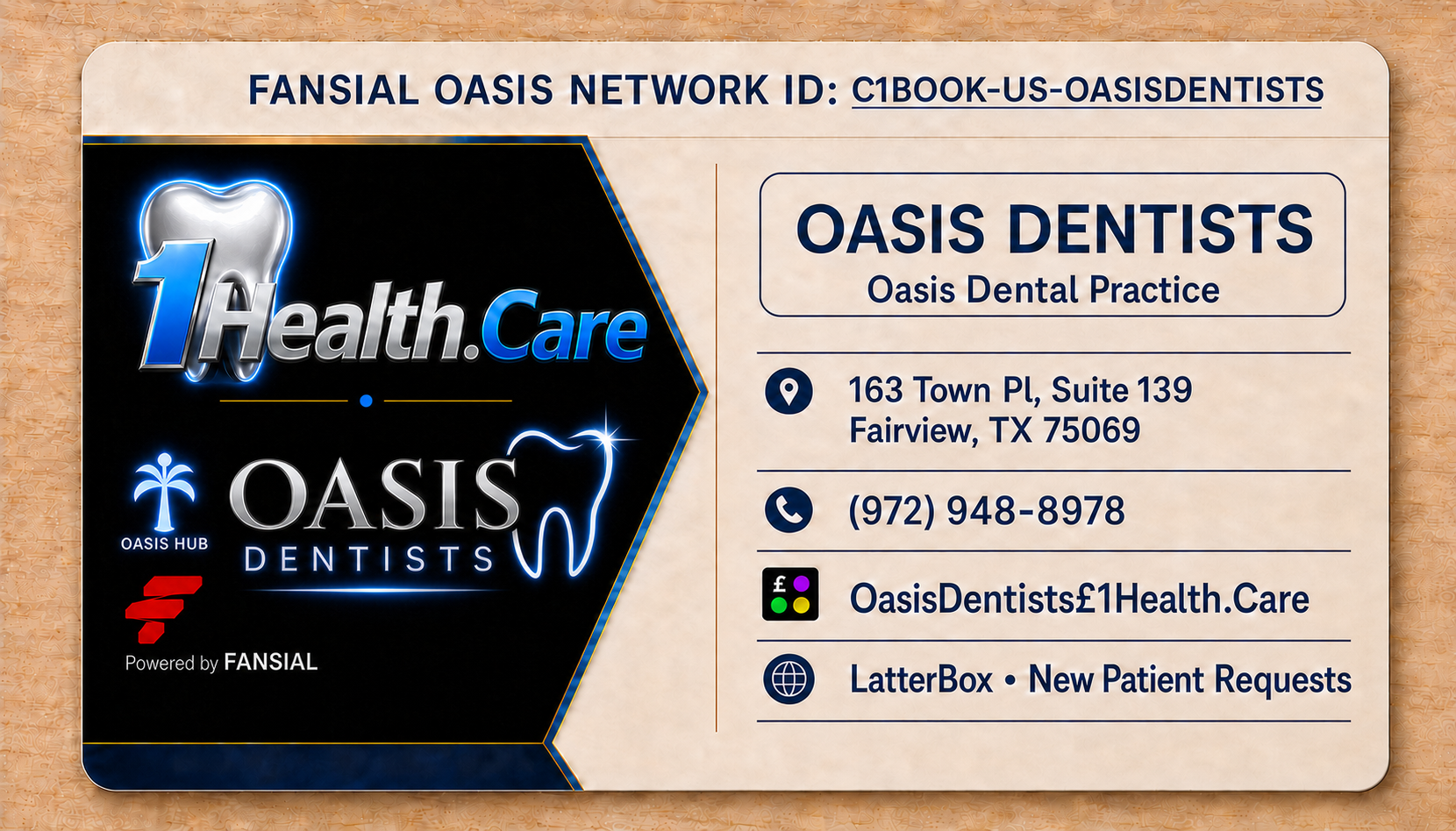
Patients should be able to discover city-level dental practices, understand whether they welcome new patients, and submit a new-patient or consultation request without navigating multiple disconnected directories.
Suggested card action: Request a dental appointment or new-patient consultation.
Oasis Doctors
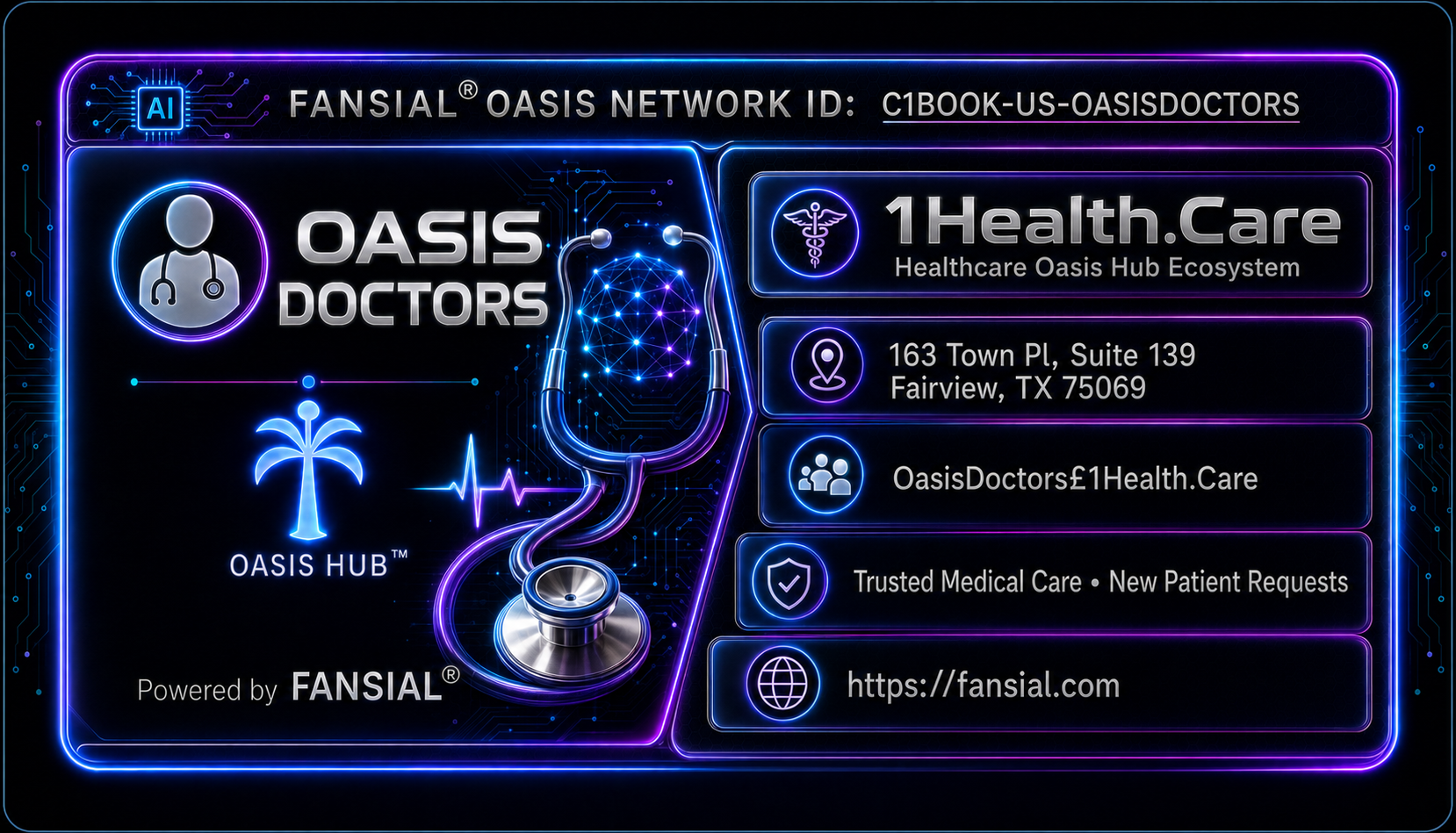
Standard role-census companion card
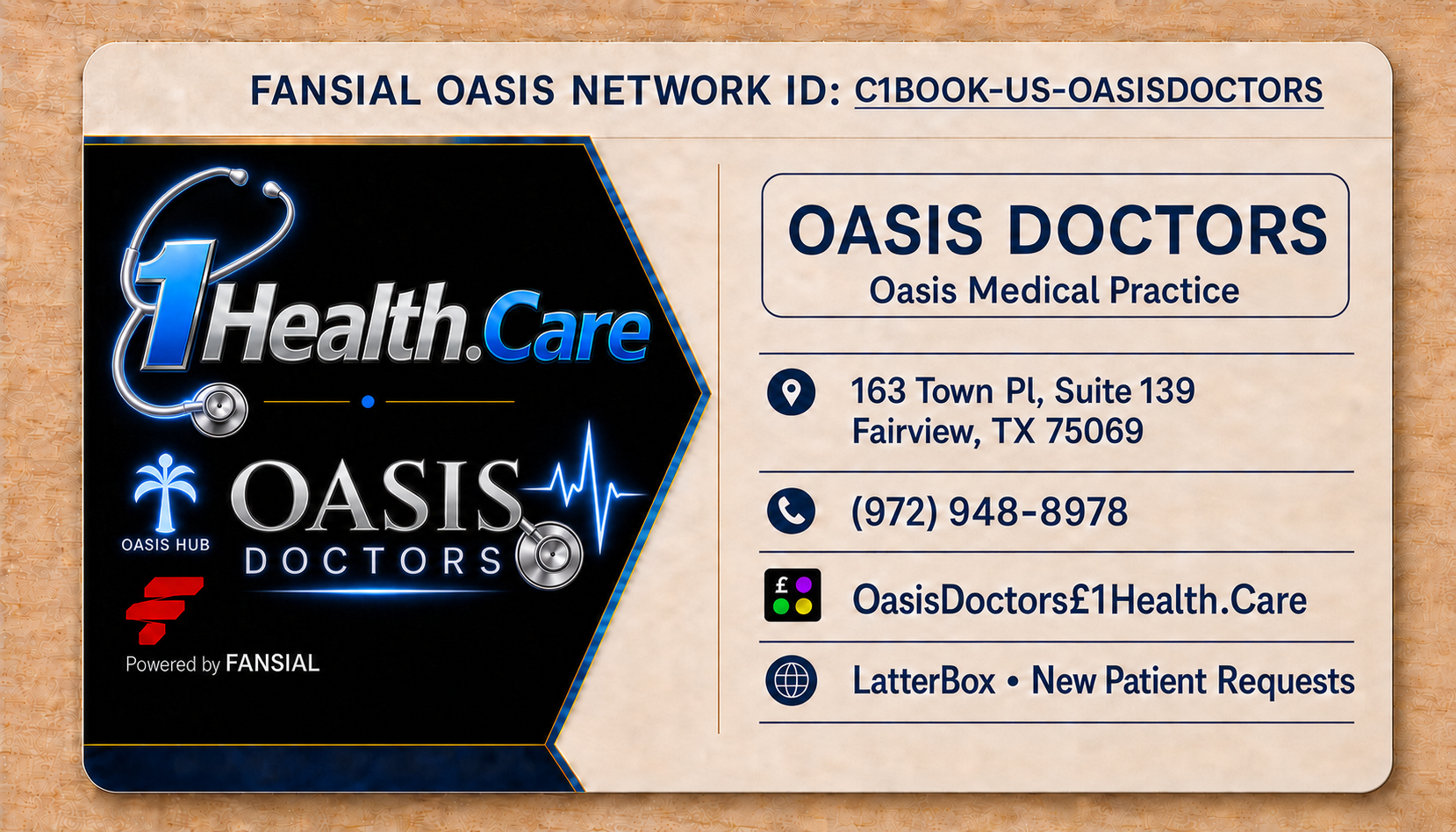
Primary-care physicians and specialists need a structured presence that communicates their role, location, and availability. Oasis Doctors can help patients and AI assistants move from a broad medical question to an appropriate local practice.
Suggested card action: Request a medical appointment or ask whether the practice is accepting new patients.
Oasis Pharmacy
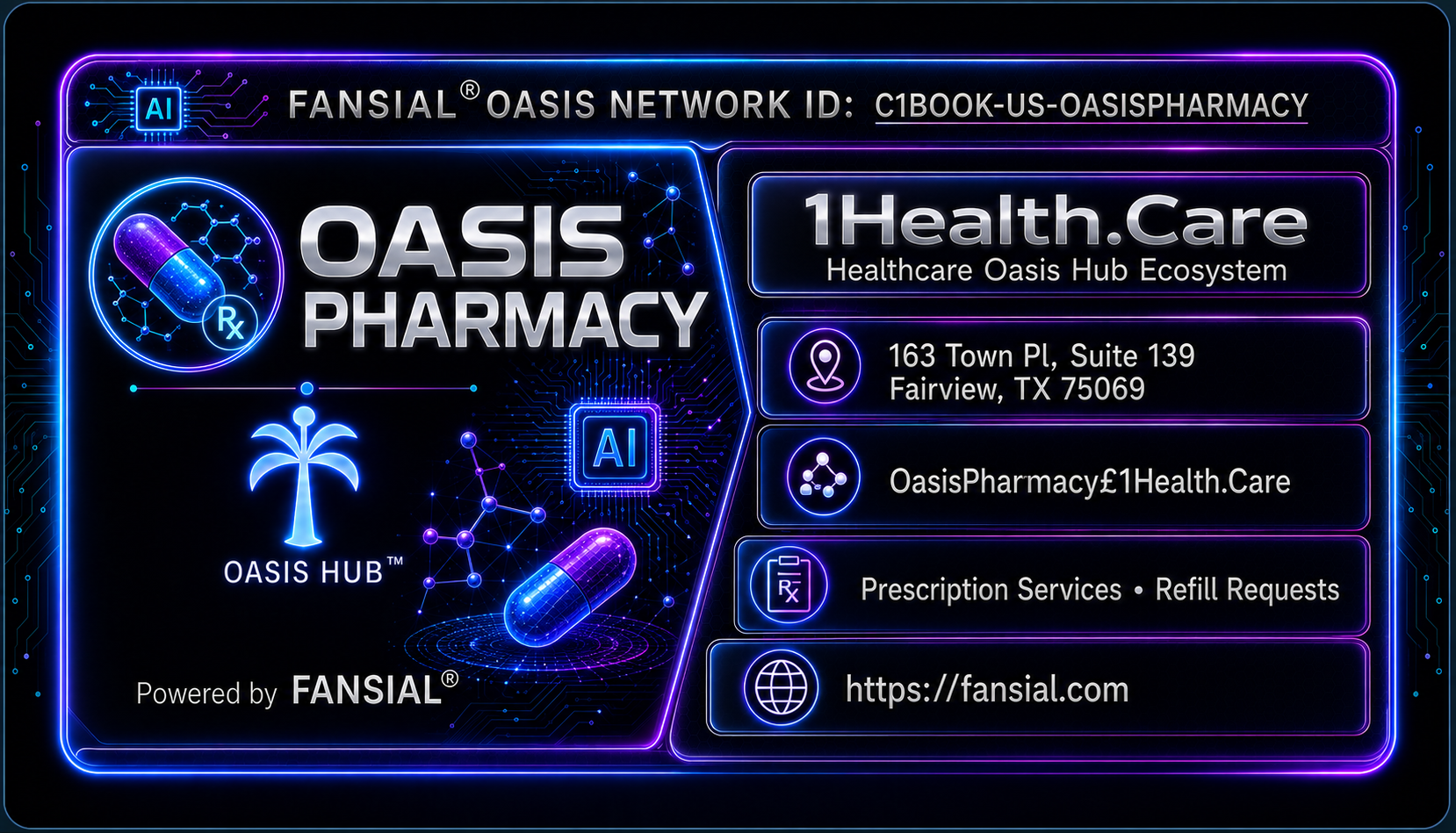
Standard role-census companion card
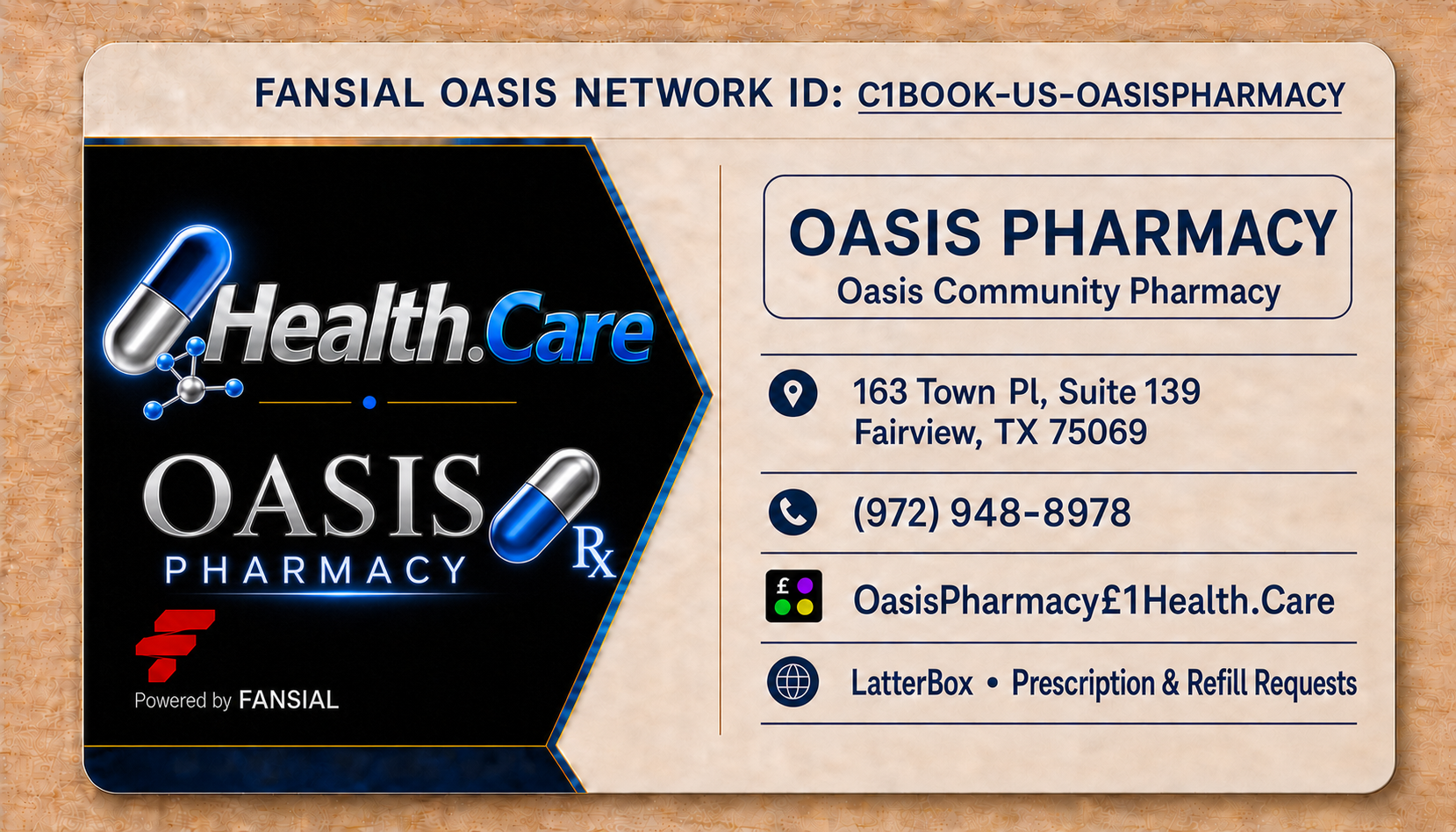
Pharmacies are essential neighborhood healthcare access points. Their cards can support discovery, prescription-service inquiries, refill-request routing, vaccination information, operating hours, and other pharmacy-specific communication.
Suggested card action: Start a prescription, refill, vaccination, or pharmacy-service request.
Oasis Surgeons
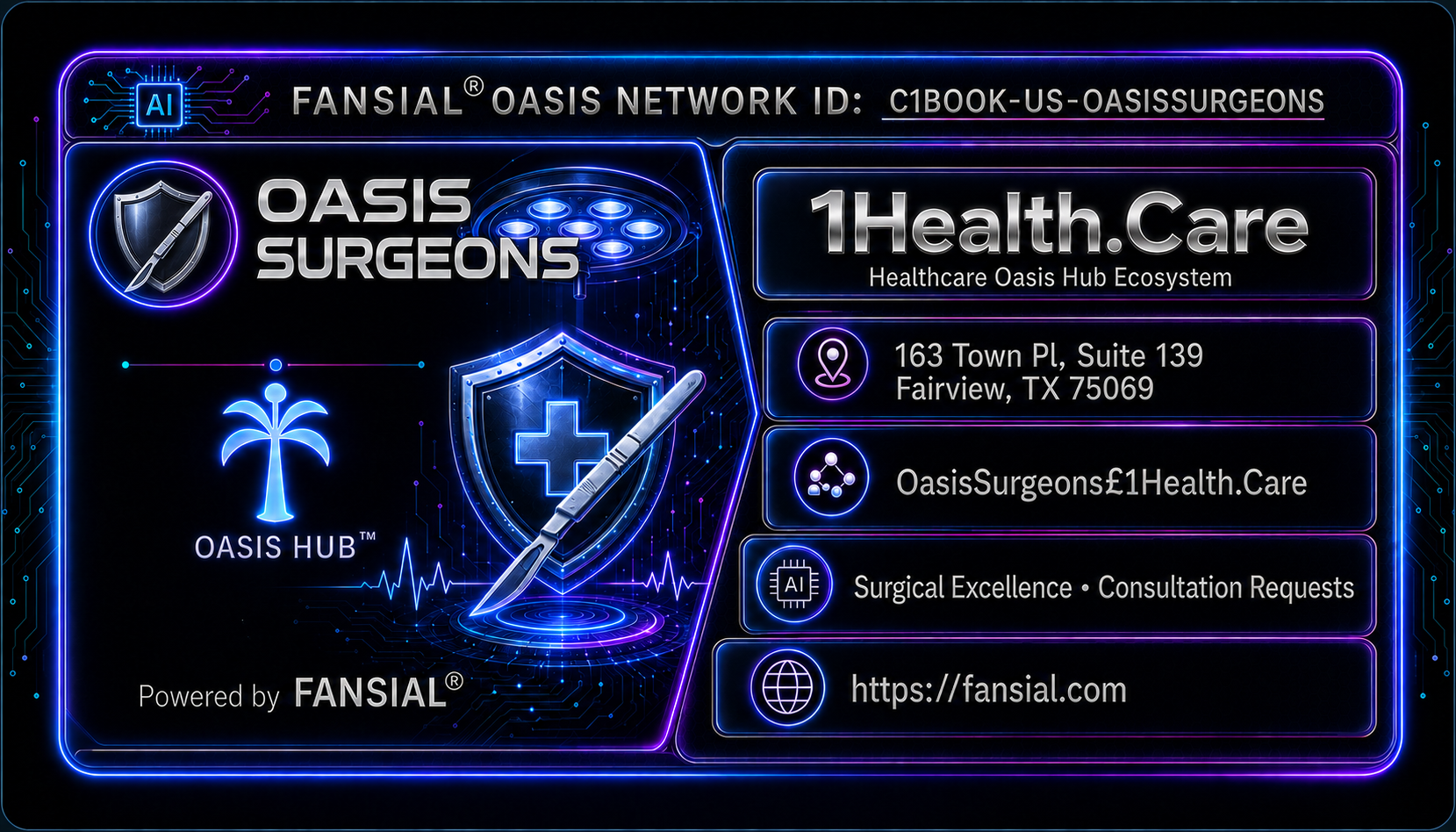
Standard role-census companion card
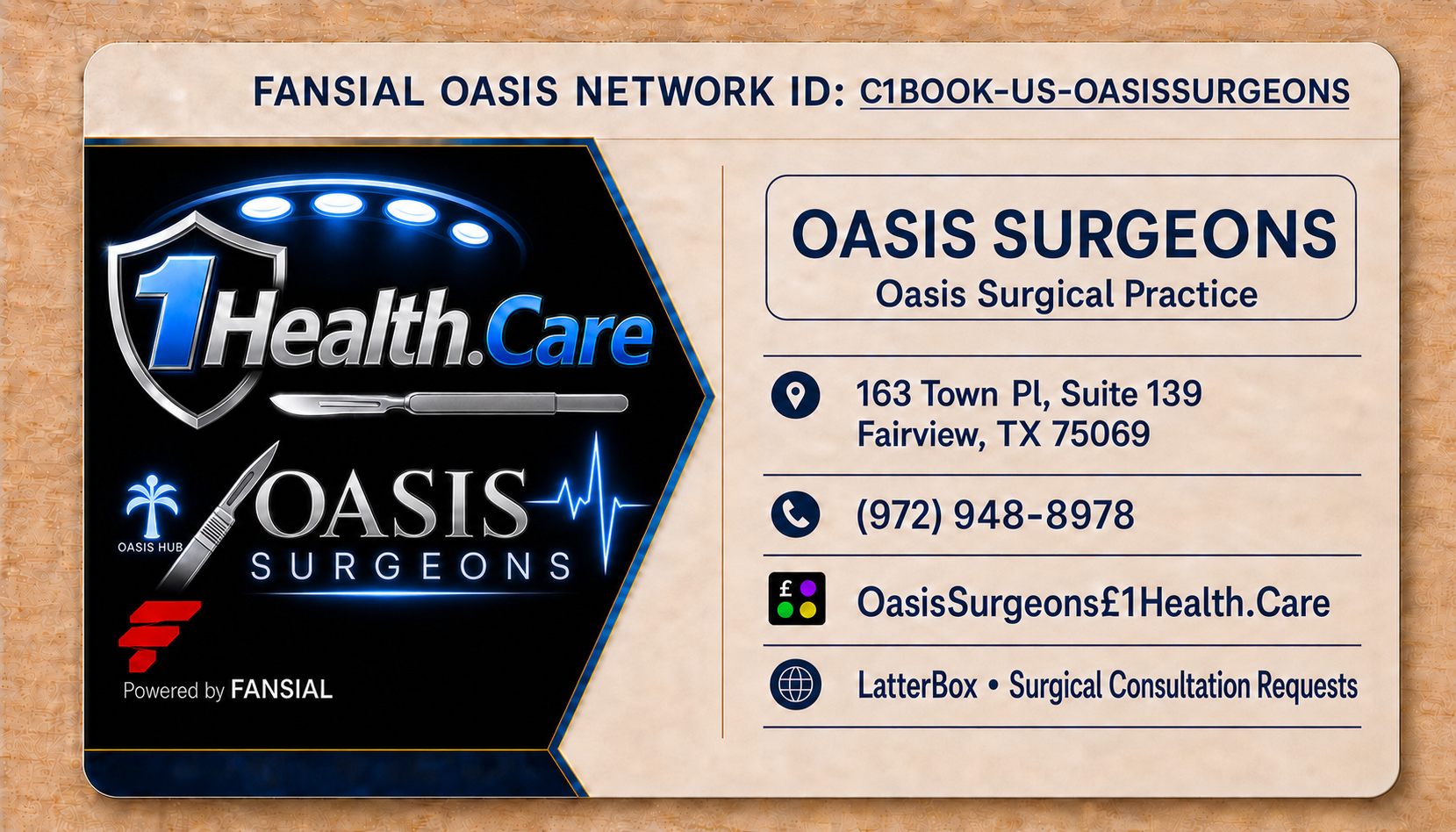
Surgical discovery requires trust, clarity, and appropriate clinical context. Oasis Surgeons can organize local surgical practices by specialty and provide a direct path for consultation requests—without reducing an important healthcare decision to an advertisement or popularity ranking.
Suggested card action: Request a surgical consultation or referral follow-up.
Oasis Eye Care
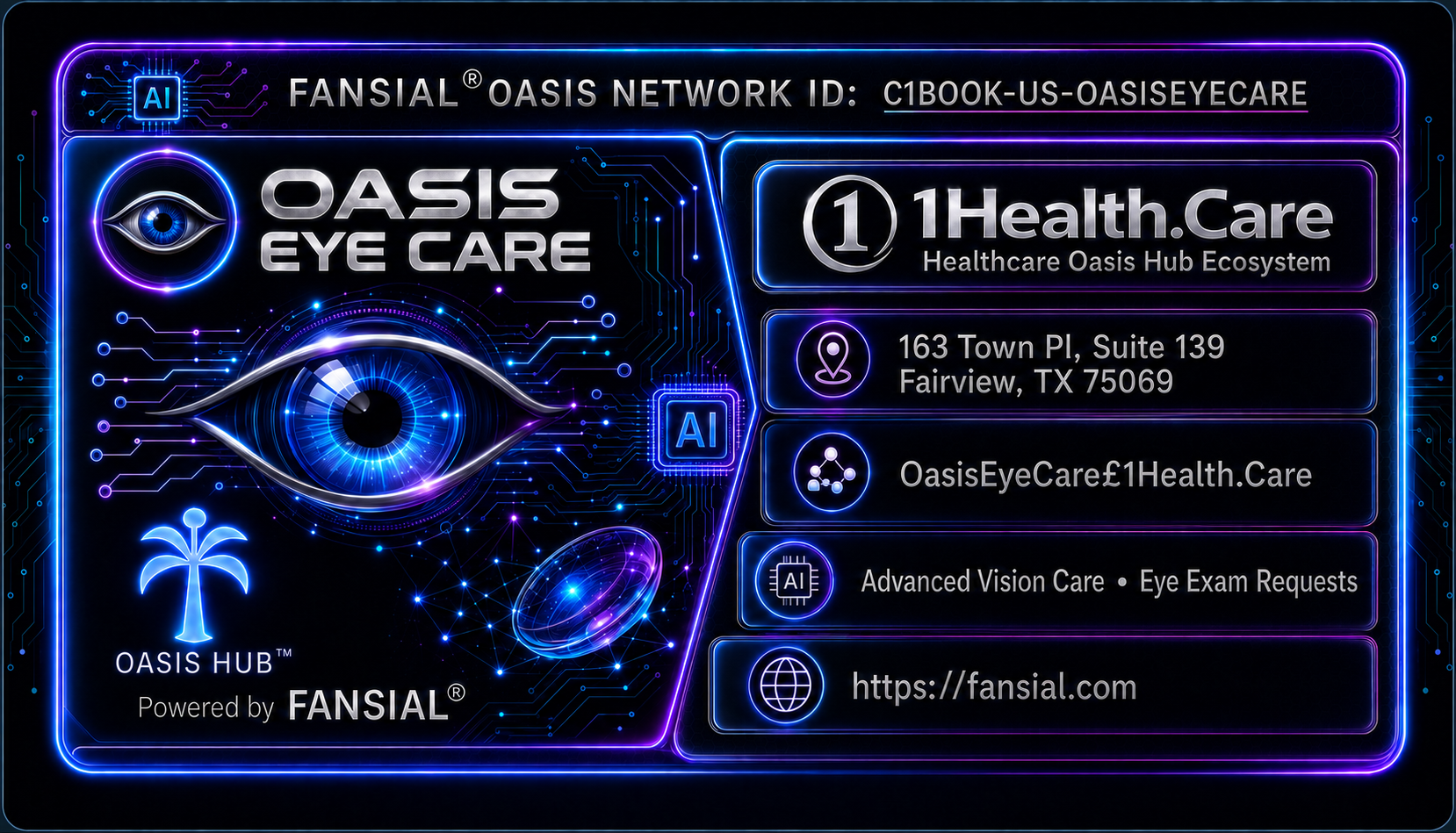
Standard role-census companion card
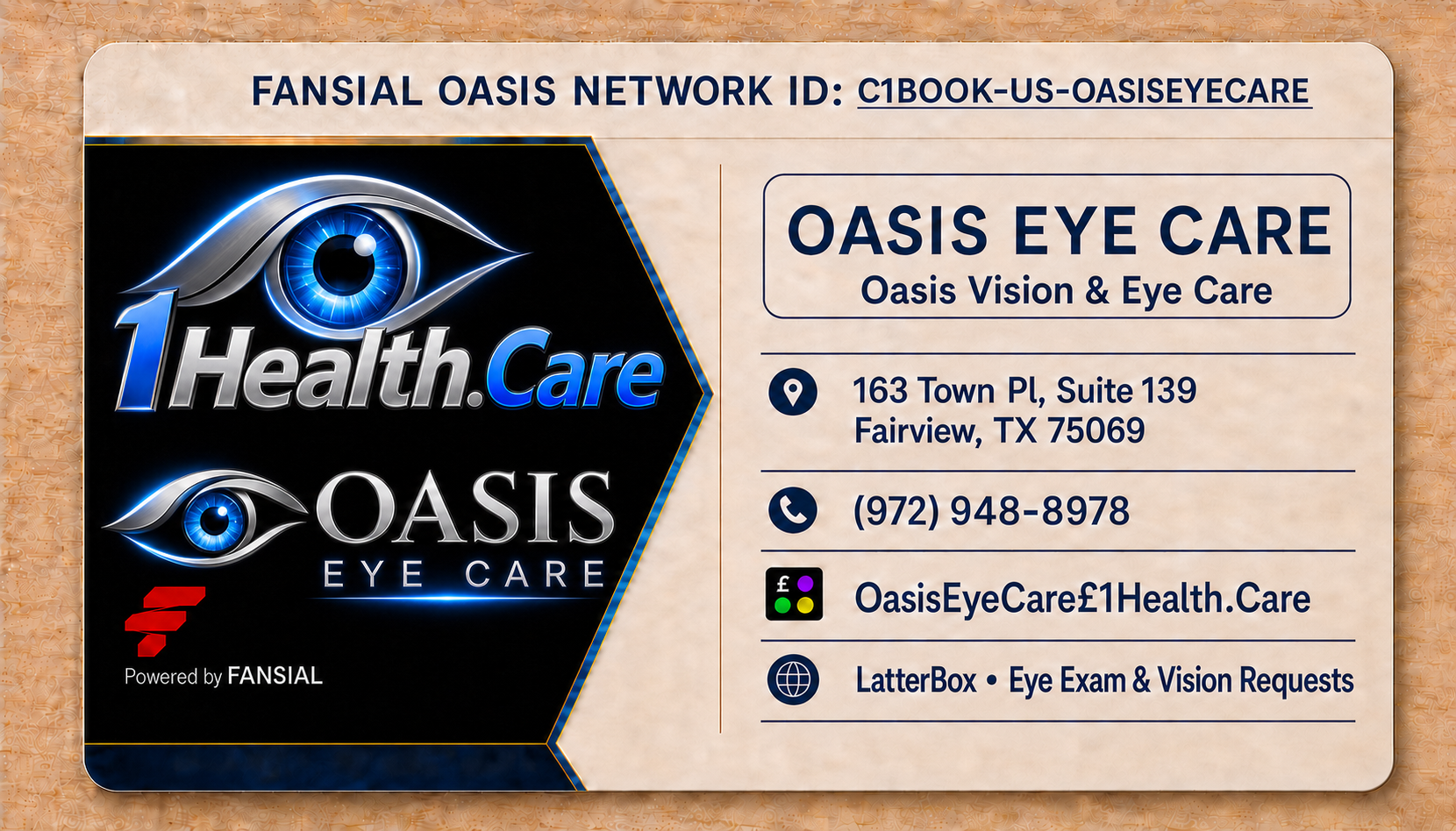
Optometrists, ophthalmologists, optical centers, and other vision-care organizations serve different needs. A dedicated eye-care hub can make those distinctions visible and help patients request the correct type of examination or consultation.
Suggested card action: Request an eye examination, vision consultation, or specialty eye-care appointment.
Oasis Labs
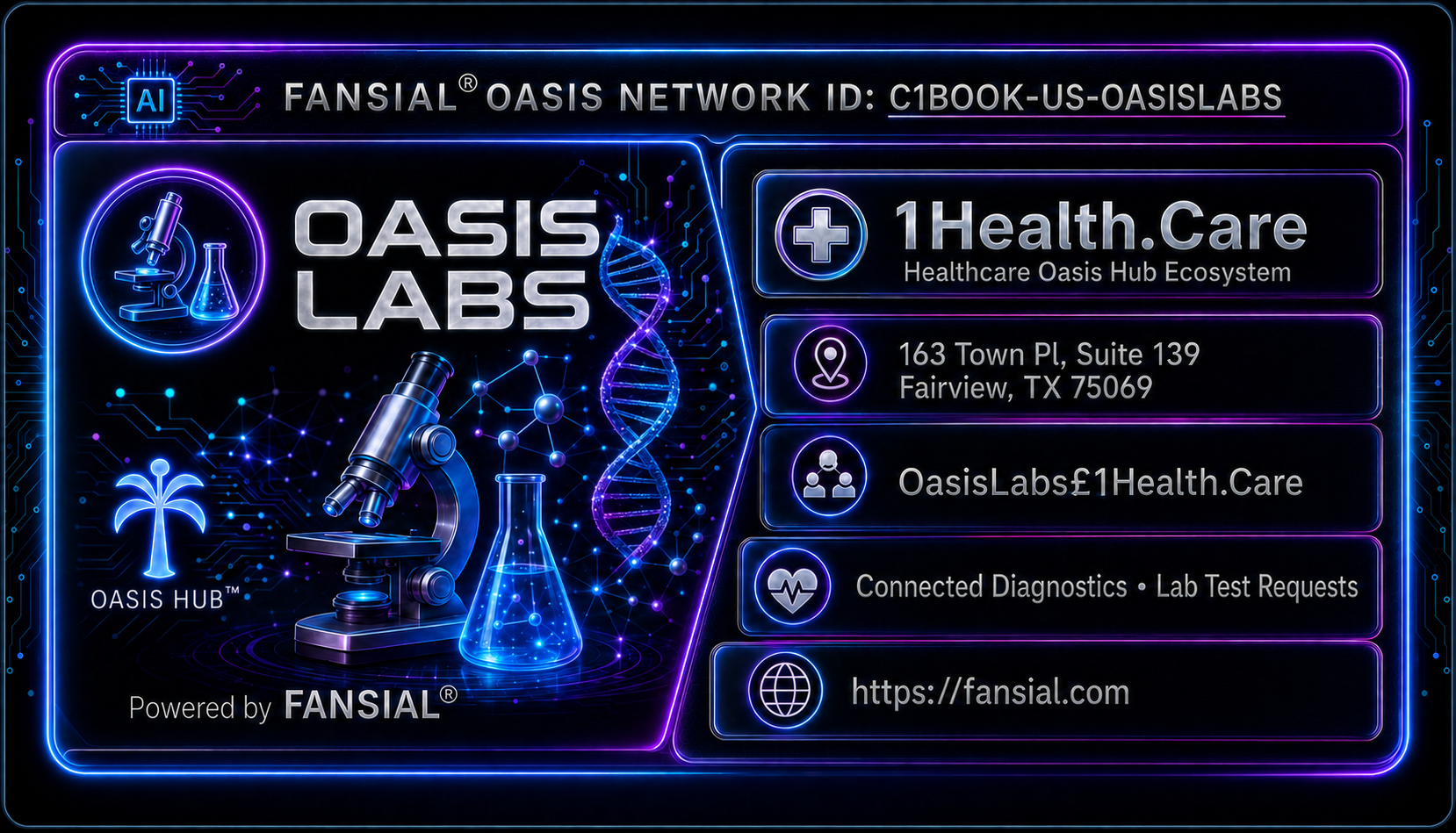
Standard role-census companion card
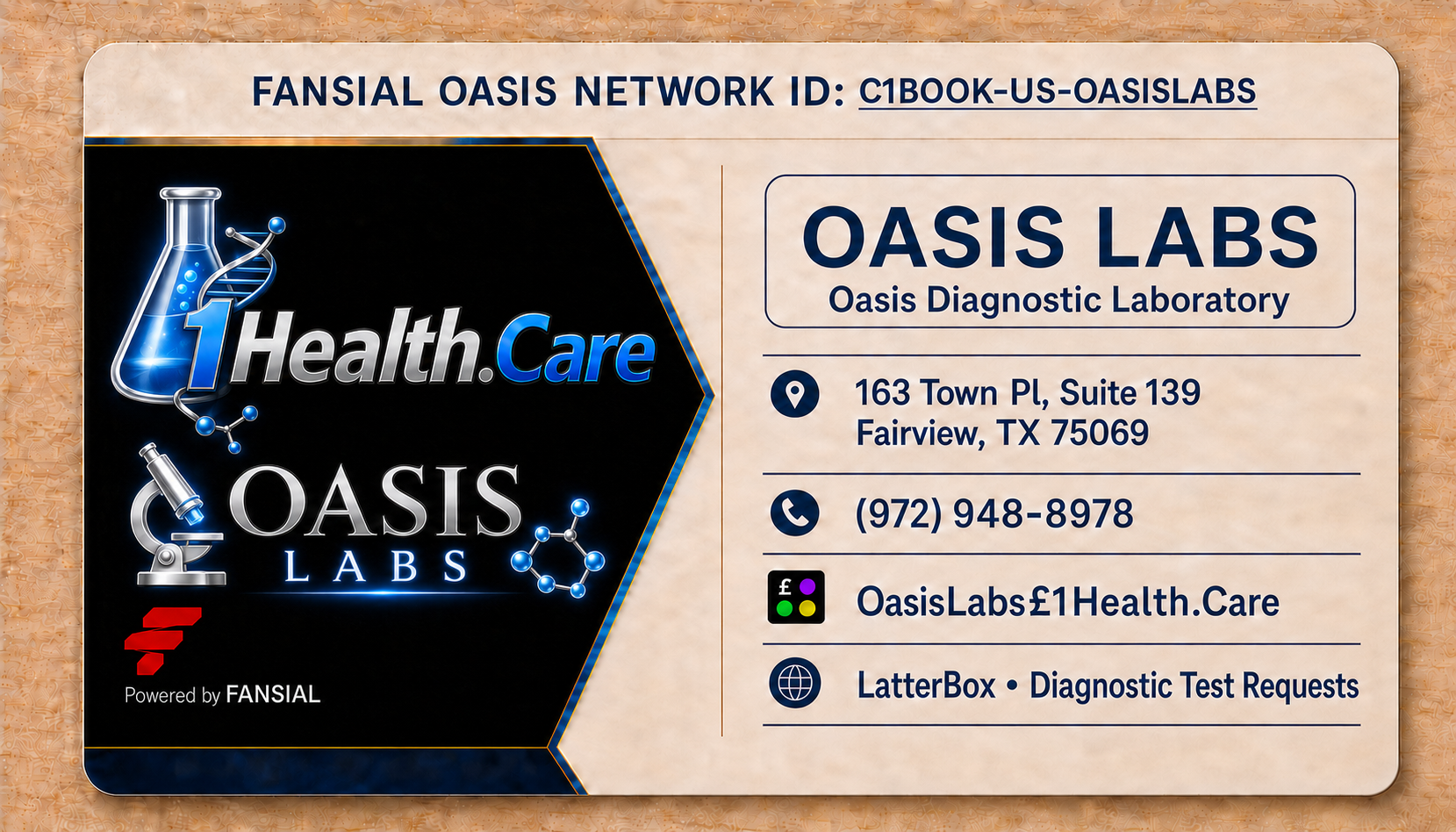
Diagnostic laboratories are a critical part of the patient journey but are often discovered only after a separate clinical interaction. Oasis Labs can help patients locate nearby services, understand preparation requirements, and initiate an appropriate test-related inquiry.
Suggested card action: Request laboratory information, test scheduling, or preparation instructions.
Oasis Hospital
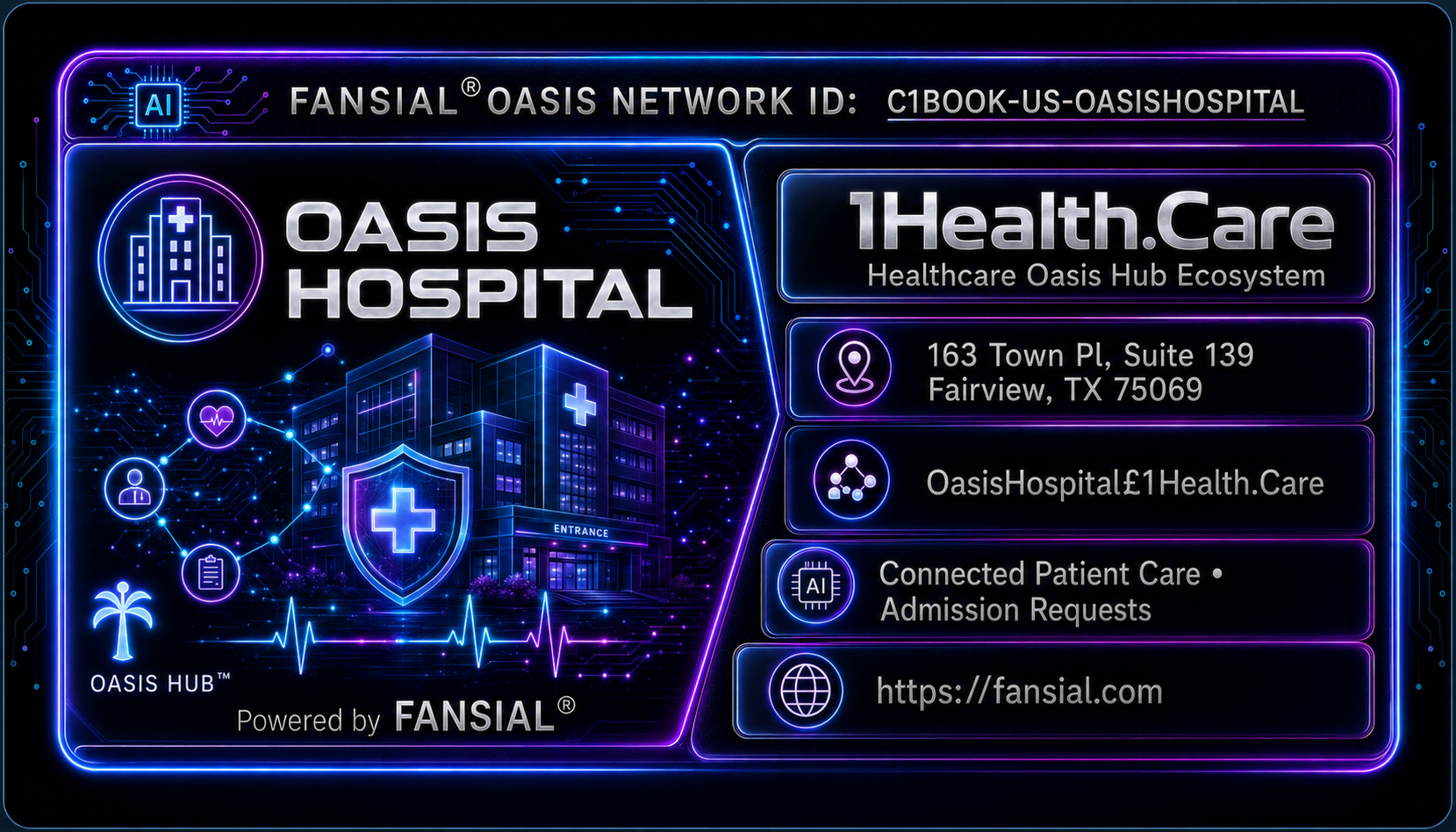
Standard role-census companion card
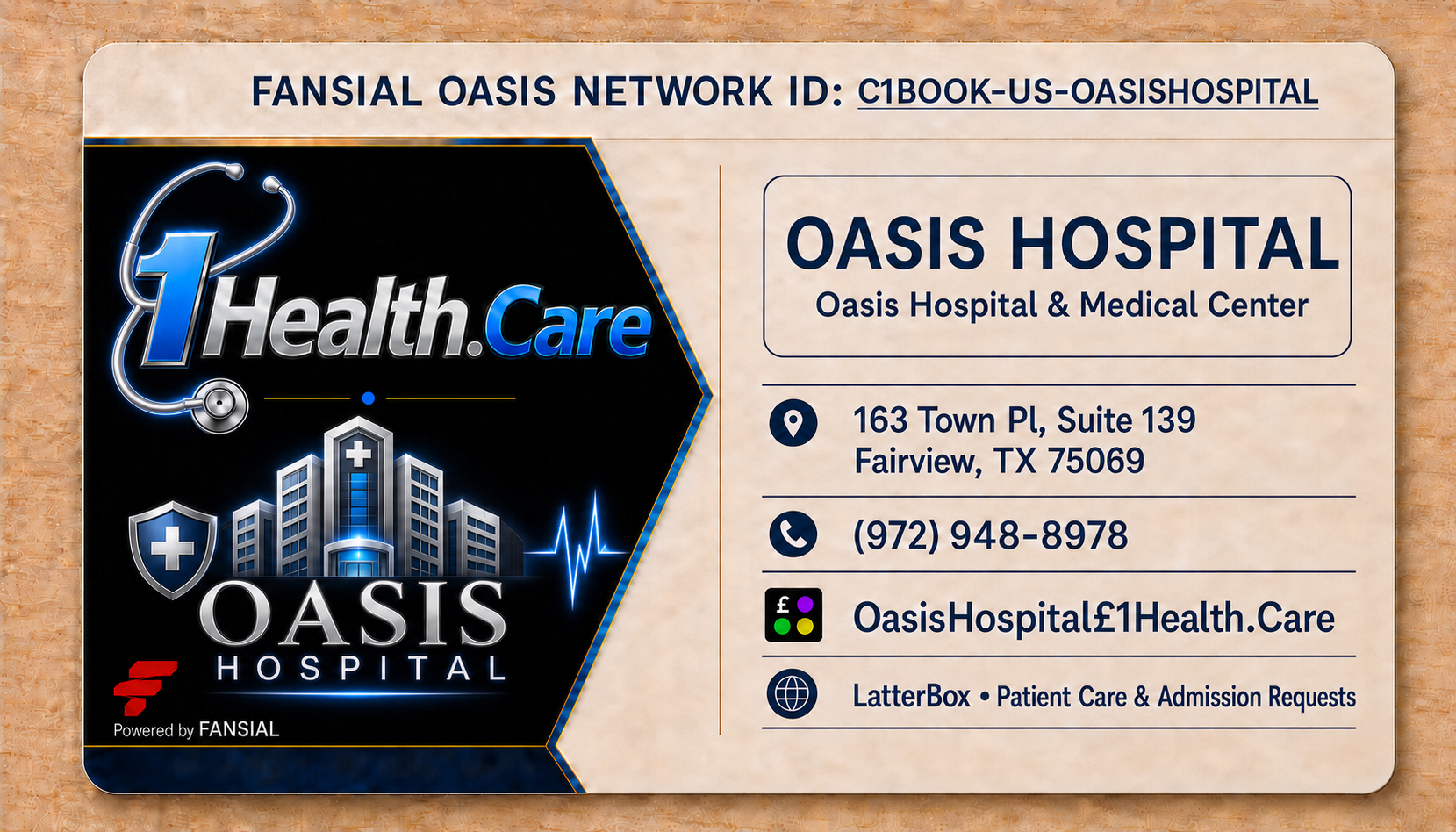
Hospitals coordinate multiple departments, specialists, diagnostic services, and patient pathways. An Oasis Hospital card can provide a structured gateway to the institution rather than presenting patients with an overwhelming collection of unrelated pages.
Suggested card action: Find the appropriate department, request patient-care information, or begin an admission-related inquiry. Emergency needs should always be directed to the applicable emergency service rather than a routine messaging workflow.
---
From visibility to appointment requests
Visibility alone is not enough. A directory entry that cannot help a patient take the next step is merely another digital signboard.
The 1Health.Care city-hub model is designed around a practical engagement path:
- Discover: A patient—or an AI assistant acting at the patient's direction—identifies the correct city and healthcare role.
- Understand: The contextual card explains who the provider is, what role it serves, and why it may be relevant.
- Request: The patient submits an appointment or information request through an appropriate provider-controlled workflow.
- Respond: The healthcare organization reviews the request, confirms availability, and continues through its authorized scheduling or patient-engagement system.
- Follow up: The patient receives a clear next step instead of returning to an endless search loop.
1Health.Care should complement—not bypass—a provider's scheduling, privacy, consent, clinical, insurance, and record-management processes. Appointment requests are not confirmed appointments until accepted by the participating healthcare organization.
---
A new-patient referral system designed for transparency
Local communities already generate healthcare referrals through families, friends, alumni groups, employers, neighborhood organizations, and professional relationships. The problem is that these referrals are rarely structured, measurable, or transparent.
Fansial Oasis Hubs can provide an organized referral-participation layer in which qualifying providers define the programs they are willing to offer, and approved participants share relevant opportunities within appropriate communities.
A responsible framework should make several things clear:
- Participation is optional for providers and patients.
- Any incentive, benefit, discount, sponsorship, or commission must be disclosed.
- Programs must comply with applicable healthcare, insurance, privacy, anti-kickback, fee-splitting, advertising, and professional rules.
- Clinical decisions must never be influenced by a promotional reward.
- Emergency, urgent, or medically necessary care must never depend on referral participation.
- Provider qualification and program eligibility should be reviewed before publication.
The goal is not to turn healthcare into a popularity contest. The goal is to give reputable providers a structured way to become discoverable and to give communities a transparent path for making relevant introductions.
---
The LatterBox communication layer
Each card can include a contextual LatterBox address, such as:
OasisDentists£1Health.CareOasisDoctors£1Health.CareOasisPharmacy£1Health.CareOasisSurgeons£1Health.CareOasisEyeCare£1Health.CareOasisLabs£1Health.CareOasisHospital£1Health.Care
These addresses are designed to communicate context before a conversation begins. The destination is not simply a generic inbox; it identifies the healthcare role and the 1Health.Care ecosystem through which the request originated.
For healthcare use, any messaging or routing implementation must be configured around applicable privacy, security, consent, retention, and regulated-data requirements. Sensitive clinical information should be collected only through systems authorized for that purpose.
---
The caller-card vision: healthcare context before the call is answered
Today, an unfamiliar telephone number often creates uncertainty. A patient may ignore a legitimate call from a practice, laboratory, pharmacy, or hospital because the number offers little useful context. At the same time, healthcare organizations struggle to distinguish their legitimate calls from spam and impersonation.
Fansial is discussing with telecom companies the possibility of making contextual digital cards part of future caller-card experiences. If those discussions lead to successful carrier and device integrations, a supported smartphone—including an iPhone where the necessary Apple, carrier, operating-system, and user-permission requirements are met—could potentially display a verified contextual card when a healthcare organization calls.
Imagine seeing useful context before answering:
- the verified healthcare organization;
- its Oasis role and city;
- the reason category for the call, where appropriate and privacy-safe;
- a trusted callback or LatterBox pathway; and
- a recognizable Fansial Oasis Network identity.
This is a forward-looking concept, not a statement that Apple, an iPhone feature, or any telecom carrier currently supports or has approved the integration. Availability would depend on successful commercial and technical agreements, carrier capabilities, device and operating-system support, identity verification, privacy protections, and user consent.
---
In the AI era, patients and providers should not struggle for visibility
AI is changing how people discover information. Increasingly, patients will begin with a conversational assistant rather than a list of search results. But an AI assistant can provide a useful local answer only when healthcare information is structured, current, contextual, and connected to a safe next action.
Patients should not have to struggle to locate the right type of provider. Reputable doctors, dentists, pharmacies, surgeons, eye-care practices, laboratories, and hospitals should not have to fight endlessly for visibility in algorithmic feeds.
Fansial Oasis Hubs and 1Health.Care offer a different model:
- city-first discovery instead of a borderless wall of results;
- role-based organization instead of disconnected profiles;
- contextual digital identity cards instead of plain telephone numbers;
- appointment and information requests instead of visibility without action;
- transparent referral participation instead of invisible word-of-mouth economics; and
- AI-readable structure designed for the next generation of discovery.
The promise is simple: when a patient needs care, the path to a relevant local healthcare organization should be clear. When a qualified provider is ready to serve new patients, its presence should be discoverable.
---
An invitation to healthcare organizations and city partners
1Health.Care is intended to become a connected structural presence for healthcare—not another social feed and not another generic listing directory.
We invite qualifying healthcare organizations, telecom companies, technology partners, referral-program advisors, compliance professionals, and city-community participants to explore the Fansial Oasis Hub model.
Healthcare providers can participate by:
- establishing their role and city presence;
- reviewing their contextual digital identity card;
- defining appropriate appointment or information-request pathways;
- proposing compliant referral or new-patient participation terms, if desired; and
- helping shape future verified communication and caller-card experiences.
Build your presence before AI-era healthcare discovery becomes crowded
Visit Fansial.com to sign up, experience the Fansial Oasis Hub System as a user or sponsor, and explore how your organization could participate in the 1Health.Care ecosystem.
---